
 Summary:
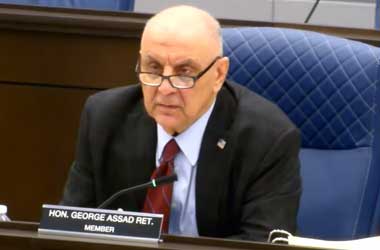
- Nevada regulator George Assad wants to see more efficient casino anti-money laundering rules.
- Assad argues recent reforms still do not go far enough to close enforcement gaps.
- The regulator urged better use of Suspicious Activity Reports, whistleblower rewards, and AI monitoring tools.
A senior gaming regulator is pushing for a new wave of anti-money laundering safeguards, arguing that recent reforms still do not go far enough to protect the integrity of Nevada’s casino industry.
George Assad of the Nevada Gaming Control Board used this week’s monthly meeting to call for stronger enforcement tools just weeks after the state approved updated regulations targeting money laundering risks in casinos.
Those earlier changes came after more than $32 million in fines across the industry and introduced stricter responsibilities for compliance officers and casino employees involved in anti-money laundering oversight.
The new rules already require licensing for key compliance roles, mandatory reporting when employees are dismissed for violations, and tighter controls on funding sources used for gambling activity.
However, Assad believes the system still leaves gaps that could allow illicit financial activity to slip through.
He praised the Gaming Commission for adopting earlier recommendations but warned that Nevada should not rely too heavily on federal oversight.
One of his main concerns is the handling of Suspicious Activity Reports, which he said are often lost in a broader federal system and do not receive enough focused attention.
Assad also revisited Nevada’s decision years ago to step back from direct oversight of certain financial reporting rules, arguing that the state would be better equipped to detect suspicious activity if it had retained more authority.
Whistleblower Rewards, on the Table
Assad also proposed the use of small money incentives, explaining that even a small reward could encourage insiders to report wrongdoing.
He also proposed stricter identity and wealth source verifications.
Another key proposal was raising the standard of responsibility for casino executives. Instead of only holding leaders accountable for what they knew, Assad argued they should also be responsible for what they should have known under reasonable oversight standards.
He said repeated excuses from operators involved in past scandals should no longer be acceptable.
Assad also encouraged casinos to adopt more advanced monitoring tools, including data analytics and artificial intelligence systems, to identify suspicious behavior patterns such as rapid cash outs, unusual credit activity, and coordinated gambling activity.
He concluded by warning that Nevada must stay ahead of increasingly sophisticated money laundering methods or risk damaging its reputation as a global gaming leader.
About the Author